


Brand identity used to mean a logo, a color palette, and a tagline.
In 2026, that definition is outdated.
Today, your brand is how customers experience your business long before they ever speak to you. It’s how you show up in search results, how clearly you explain what you do, how consistent your messaging feels, and whether people trust you enough to choose you over alternatives.
For businesses in the Coachella Valley, where competition is growing and customers are more informed than ever, brand identity has become a strategic asset, not a design exercise.
What Brand Identity Really Means in 2026
A strong brand identity is not about looking polished.
It’s about being understood.
In 2026, brand identity is shaped by:
-
How clearly you explain your value
-
How consistently you show up across platforms
-
How customers describe you when you’re not in the room
-
How AI and search engines interpret your expertise
-
How much trust you build before the first interaction
According to Harvard Business Review, brands that focus on clarity and consistency outperform those that rely on surface-level branding updates.
Your brand is no longer controlled by a single campaign or visual refresh. It’s built through repetition, clarity, and alignment.
Why Brand Identity Matters More Than Ever for Local Businesses
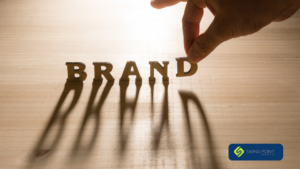 Customers today research before they buy.
They read.
They compare.
They scan reviews.
They look for signals of credibility.
In markets like Palm Desert, La Quinta, Indio, and Rancho Mirage, customers often choose businesses they feel confident about, not just the cheapest or fastest option.
A strong brand identity helps you:
-
Reduce price sensitivity
-
Shorten sales conversations
-
Attract better-fit customers
-
Stand out in crowded local search results
-
Build long-term recognition, not one-off transactions
As Google’s search quality guidelines increasingly reward trust, experience, and expertise, brand clarity directly impacts visibility
Step 1: Clarify What You’re Known For (Not Everything You Do)
One of the biggest mistakes businesses make is trying to be everything to everyone.
In 2026, clarity beats variety.
Ask yourself:
-
What problem do we solve better than others?
-
Who benefits most from our service?
-
What do customers consistently thank us for?
-
What questions do we answer over and over again?
Your brand identity should be built around one clear promise, not a long list of services.
This is the foundation of effective positioning and long-term visibility.
Step 2: Align Your Messaging Across Every Touchpoint
Inconsistent messaging erodes trust faster than bad design.
Your website, content, social presence, reviews, and sales conversations should all reinforce the same core message.
That means:
-
Using consistent language
-
Explaining your process the same way every time
-
Reinforcing the same values and priorities
-
Avoiding trendy buzzwords that don’t reflect how you actually work
At SwingPoint Media, brand identity work always starts with messaging alignment before visuals or tactics.
Step 3: Build Authority Through Content, Not Claims
In 2026, customers don’t trust claims.
They trust proof.
Brand authority is built by showing, not telling.
That includes:
-
Explaining how your service works
-
Answering common customer questions publicly
-
Sharing insights instead of promotions
-
Demonstrating experience through clarity and examples
 This approach supports both human trust and AI discovery. According to Search Engine Journal, content that clearly explains expertise consistently outperforms promotional content.
This is the core of solution-based content systems used by SwingPoint Media.
Step 4: Design for Recognition, Not Trends
Visual identity still matters, but it should support recognition, not chase trends.
Strong brand visuals in 2026 are:
-
Simple
-
Consistent
-
Easy to recognize at a glance
-
Aligned with your tone and message
If customers can recognize your content without reading the logo, you’re building real brand equity.
Step 5: Ground Your Brand in Local Context
Local businesses that ignore local context struggle to differentiate.
The Coachella Valley has unique dynamics:
-
Seasonal population shifts
-
Tourism-driven demand
-
Relationship-based decision making
-
Service-heavy competition
Your brand should reflect that reality.
Businesses that acknowledge local needs and behaviors build relevance that national brands can’t replicate.
Why Brand Identity Is a System, Not a Project
Brand identity is not something you “finish.”
It’s reinforced every time you:
-
Publish content
-
Respond to a review
-
Explain your service
-
Update your website
-
Show up in search results
The strongest brands in 2026 aren’t louder.
They’re clearer.
And clarity compounds over time.
Build a Brand That Works Before You Speak
In 2026, brand identity is no longer about standing out visually.
It’s about being instantly understood and trusted.
At SwingPointMedia, we help Coachella Valley businesses build brand systems rooted in clarity, authority, and long-term visibility — not short-term trends.
👉 Contact SwingPointMedia
📞 760-413-3508
🌐 https://swingpointmedia.com/
Frequently Asked Questions
1. Do small businesses really need a brand identity strategy?
Yes. Without clarity, marketing becomes inconsistent and trust is harder to build.
2. Is brand identity just design?
No. Design supports identity, but messaging and consistency define it.
3. How long does it take to build a strong brand identity?
Clarity can be established quickly, but authority builds over time.
4. Does brand identity impact SEO and AI search?
Yes. Clear messaging and demonstrated expertise improve discoverability.
5. Should local businesses brand differently than national ones?
Absolutely. Local relevance and trust play a much larger role.
6. Can brand identity evolve over time?
Yes, but it should evolve intentionally, not reactively.
7. Can SwingPoint Media help with brand identity development?
Yes. We specialize in building brand systems designed for long-term growth.