


Most businesses think a brand identity starts with a logo.
It doesn’t.
A real brand identity is the feeling people get when they interact with your business.
It’s:
- How your business looks
- How it sounds
- What it stands for
- And how consistently it shows up
Your logo matters.
Your colors matter.
But your identity goes much deeper than design.
And in today’s crowded market, businesses without a clear identity become forgettable fast.
What Is Brand Identity?
Brand identity is the complete personality of your business.
It includes:
- Visual design
- Messaging
- Tone of voice
- Values
- Customer experience
- Online presence
Think of it this way:
Your brand identity is how people recognize you without seeing your name.
The strongest brands feel familiar immediately.
Step 1: Define Your Core Message
Before choosing colors or fonts, answer this:
👉 What do you want people to associate with your business?
Examples:
- Trust
- Luxury
- Innovation
- Simplicity
- Community
- Reliability
If your messaging is unclear, your brand identity will feel scattered.
A strong brand starts with a clear foundation.
Step 2: Understand Your Audience
 Your brand should connect with the people you actually want to attract.
Ask yourself:
- Who is your ideal customer?
- What do they value?
- What problems do they have?
- What style and messaging resonates with them?
A law firm targeting corporate clients should not look or sound like a trendy streetwear brand.
Your identity needs alignment.
Step 3: Create a Consistent Visual Style
Visual consistency builds recognition.
This includes:
- Logo
- Fonts
- Colors
- Photography style
- Graphic elements
The goal is simple:
When someone sees your content, they should instantly recognize it as yours.
Consistency creates familiarity.
Familiarity creates trust.
Step 4: Develop Your Brand Voice
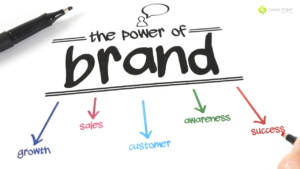 How your business sounds matters just as much as how it looks.
Your voice could be:
- Professional
- Friendly
- Bold
- Educational
- Minimalist
- Conversational
The key is consistency.
Your website, emails, social media, and ads should all sound like they came from the same brand.
Step 5: Tell a Story People Connect With
People don’t connect with businesses.
They connect with stories.
Why did you start your business?
What do you believe in?
What makes your approach different?
A strong story makes your brand human.
And human brands build stronger loyalty.
Step 6: Build Consistency Across Every Platform
One of the biggest branding mistakes businesses make is inconsistency.
Different colors.
Different messaging.
Different tone everywhere.
Your:
- Website
- Social media
- Google Business Profile
- Ads
- Email marketing
Should all feel connected.
Because branding works through repetition.
Step 7: Focus on Experience, Not Just Design
Brand identity is not only visual.
It’s also:
- Customer service
- Response times
- Packaging
- Communication
- Reputation
Every interaction shapes how people perceive your business.
Your brand is what people say about you when you’re not in the room.
Why Brand Identity Matters More Than Ever
Today, customers have endless options.
A strong brand identity helps you:
- Stand out from competitors
- Build trust faster
- Create customer loyalty
- Increase perceived value
- Make marketing more effective
Without a clear identity, your marketing feels random.
With one, everything becomes stronger.
The Bottom Line
A memorable brand identity is not built overnight.
It’s built through:
- Clarity
- Consistency
- Strategy
- Repetition
The businesses people remember are the businesses that know exactly who they are.
And communicate it consistently.
Ready to Build a Brand That Stands Out?
At SwingPoint Media, we help businesses create brand identities that:
- Build trust
- Increase visibility
- Create consistency
- Drive long-term growth
👉 Visit: https://swingpointmedia.com/
👉 Let’s build a brand people remember
FAQ Section
1. What is brand identity?
Brand identity is the combination of visuals, messaging, tone, and customer experience that shapes how people perceive your business.
2. Is a logo the same as a brand identity?
No. A logo is only one part of a much larger brand identity system.
3. Why is consistency important in branding?
Consistency builds recognition and trust over time across all customer touchpoints.
4. How do I choose my brand voice?
Your voice should align with your audience, industry, and business values.
5. Can small businesses benefit from branding?
Absolutely. Strong branding helps small businesses compete and stand out in crowded markets.
6. How long does it take to develop a brand identity?
A foundational identity can be built in weeks, but strong branding evolves over time through consistent execution.
7. What platforms should reflect my brand identity?
Your website, social media, Google Business Profile, email marketing, ads, and customer interactions should all align.